
Custom packaging: why are first impressions so important?
Thoughtful custom packaging shapes first impressions, perceived value and the user experience. Find out what matters when planning it.
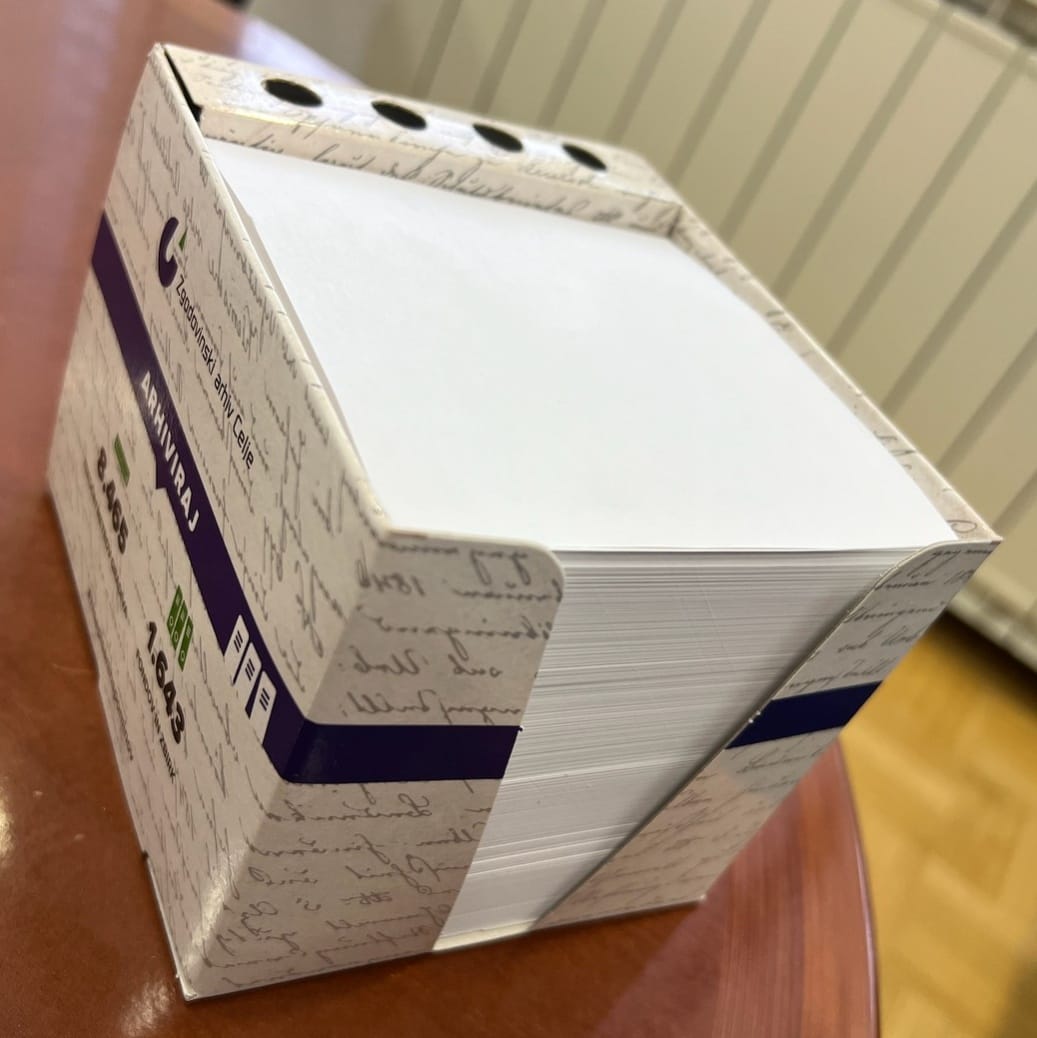
Imagine holding a product you have been eagerly awaiting. Before you even see it, you notice its packaging: the shape of the box, the surface of the material, the print quality and the way it closes. When you open it, you find the product carefully positioned and protected. All of this happens in a few moments. Yet before you even use the product, you have already formed certain expectations.
Packaging is more than what surrounds a product. It is part of the experience.
That is why thoughtful custom packaging matters. It allows a company to bring product protection, presentation and the user experience together into a coherent whole.
First impressions shape expectations
When we buy a product, we cannot always judge its quality at first glance. Before using it, it is particularly difficult to assess how well it will do its job. So we rely on the information and cues available to us. Packaging is one of them.
Imagine two high-quality candles. The first comes in an ordinary box that says little about the product. The second has thoughtfully designed packaging whose colours, material and graphics match the character of the product. Although the candles may be of comparable quality, the customer will not necessarily perceive them in the same way.
For the second candle, the packaging helps create an impression of the product before it is even opened. It might highlight its natural ingredients, sophistication or suitability as a gift. This does not mean that more attractive packaging makes the product better. It does mean that its presentation can influence perceived value and customer expectations.
Good packaging does not create value that the product lacks. It helps present the value the product actually offers.
Why do we remember some packaging?
Think of packaging you kept after a purchase.
Perhaps it was a gift box you still use to store small items. Perhaps it opened in an interesting way, or its attention to detail surprised you.
Experiences like these stand out because we recognise the thought behind them. They do not necessarily involve a complex structure, expensive materials or special printing effects. Sometimes the difference comes from the pleasant feel of the cardboard, a precisely made lid, a well-designed insert or a short message inside the box.
What matters is that the details are chosen for more than their appearance: they should contribute to the overall experience. Packaging that feels pleasant to hold and is easy to open and use can leave a better impression than a visually luxurious solution that is awkward in practice.
This is one of the key advantages of custom packaging. Instead of adapting a product to a standard box, a company can design packaging that suits the product’s characteristics and how it is used.
Packaging also contributes to brand recognition
We usually associate a brand with its logo, colours, website and advertising. But recognition also develops through physical experiences with the product.
Packaging is an important point of contact between a brand and its customers.
For natural cosmetics, understated graphics and a carefully chosen material can support a message of simplicity. For a gift product, a thoughtful structure can emphasise the experience of giving. For a modern technology product, precise lines, an organised interior and a restrained appearance can convey technical refinement. Each of these solutions is different because it addresses different expectations.
The aim is therefore not to make every piece of packaging as conspicuous or luxurious as possible. It is more important for it to be consistent with the product, the target audience and the character of the brand. When shape, printing, materials and usability work together, packaging becomes a recognisable part of a company’s visual identity.
Packaging has a special role in online sales
In a physical shop, customers can often examine a product before deciding to buy it. Online, their decision is largely shaped by photographs, descriptions and other information on a screen.
Their first physical contact with the product they ordered often happens only when it is delivered. At that point, the packaging has two important jobs. The product must reach the customer safely, and opening it should be simple and pleasant.
There is more to this than the outside of the parcel. Customers also notice how the product is protected, how it is positioned inside the box and whether the overall presentation matches the expectations created by the online shop. If a product is presented as high-quality and carefully made, but then arrives in damaged, unsuitable or unnecessarily large packaging, this can detract from the overall experience.
For online sales, it is therefore useful to distinguish between transport packaging and sales packaging. The former is primarily intended to protect the product during delivery, while the latter also presents it. In some cases, both functions can be combined in a single thoughtful solution.
Packaging is no minor final step in an online purchase. It is part of the experience through which a company delivers on its promise to the customer.
Good custom packaging starts with the product
An attractive appearance matters, but planning packaging starts with understanding the product it will contain.
What are its dimensions and weight? How vulnerable is it to damage? Will it sit on a shop shelf, travel by post or serve as a gift? How will the customer open it, take it out of the box and store it again if needed?
The answers to these questions influence the choice of structure, material and production method.
For cardboard packaging, thoughtful structural design can provide adequate product protection, box stability and easy handling. Internal inserts can help prevent the contents from moving, while well-chosen dimensions reduce unnecessary empty space.
The quality of the graphic execution matters too. Colours, typography, printing and surface finishing should support the desired appearance of the product, while also being suitable for the chosen material and intended use.
The planned production quantity, manufacturing costs, storage and transport also need to be considered when choosing packaging.
The most suitable solution is therefore not necessarily the one with the most extras or the most elaborate structure. A simple, well-designed box is often a better choice: it protects the product effectively, presents it appropriately and uses no more material than necessary.
Thoughtful packaging also considers responsible use of materials
When developing packaging, an increasingly important question is how much material we actually need to protect and present the product adequately.
A larger box, additional inserts or elaborate surface finishing do not, on their own, mean a better user experience.
Sometimes adjusting the dimensions or changing the structure can reduce the amount of material needed. In other cases, it makes sense to choose a different type of cardboard or simplify the internal protection without compromising the product’s safety. It is important to consider the packaging’s entire journey: from production and packing to transport, use and what happens to it afterwards.
Responsible design involves more than choosing a particular material. It means finding an appropriate balance between protection, functionality, appearance and resource use.
Here too, less can be more, when it is properly planned.
First impressions are worth planning
Packaging is one of the first ways a product communicates its quality, character and purpose to the customer. It can spark interest, strengthen brand recognition and create a more pleasant user experience. But its importance goes beyond appearance.
Truly good packaging works in practice too. It protects the contents adequately, is easy to use, is practical to produce and suits the product it presents. That is why packaging is worth considering during product development, rather than just before sales begin.
At Grafika Gracer, we produce custom packaging for a range of products, from cardboard and gift boxes to product, cosmetics and food packaging. During planning, we consider the product’s characteristics, the planned production quantity, protection requirements, presentation and finishing options.
Are you considering packaging for a new product or updating your existing packaging?
Send us an enquiry and tell us about your product and packaging requirements. Together, we can find a solution that suits both your product and your customers’ expectations.
A good first impression does not happen by chance. It comes from good planning.