
Self-Publishing a Book: Process, Costs and Printing
From manuscript to print: discover the self-publishing process, costs, ISBN requirements, paper and binding options, and how to request a printing quote.
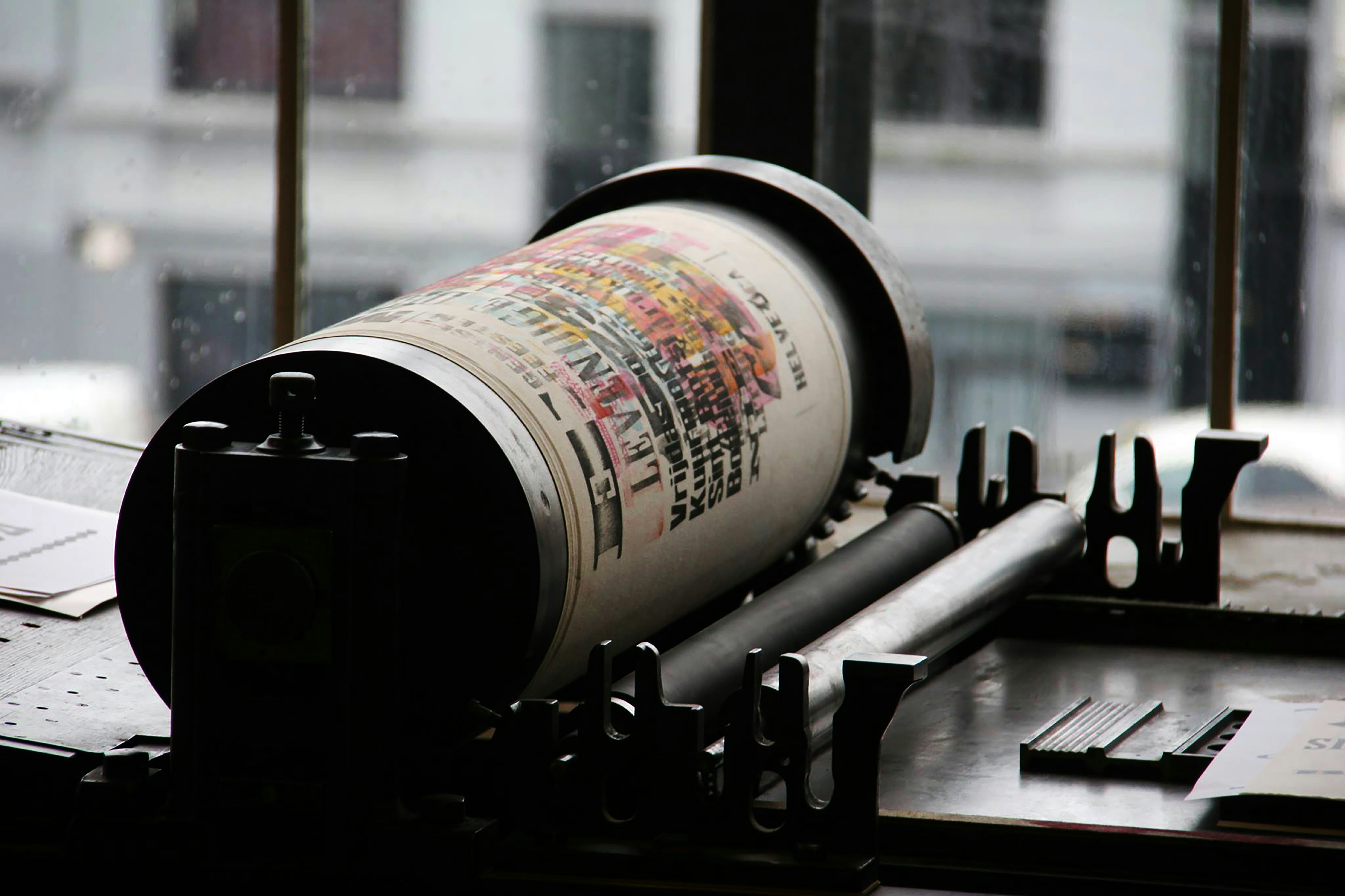
Self-publishing a book gives you the opportunity to turn your story, knowledge or idea into a printed book while retaining control over its content, appearance and sales. However, the journey from a completed manuscript to a finished book involves several important steps. Editing, proofreading, design, obtaining an ISBN, choosing paper, printing and binding all affect the quality of the finished product and the overall publishing costs.
If you are planning to publish your first book, you may be wondering how much self-publishing costs, how many copies to print and how to prepare a book for printing. Careful preparation can save time, reduce unnecessary expenses and prevent mistakes that are difficult to correct once the book has been printed.
What is self-publishing?
Self-publishing means that an author publishes a book independently, without relying on a traditional publisher to manage the entire publishing process. The author decides on the content, design, print run, retail price and distribution channels. At the same time, they take responsibility for organising and financing publication.
The main advantage of self-publishing is creative and commercial independence. The author retains greater control over the book and its sales revenue, but must also cover preparation, printing and promotional expenses.
This does not mean the author has to do everything alone. They can work with editors, proofreaders, designers, printers and other specialists. Choosing reliable partners is often crucial to the quality of the finished book.
Self-publishing vs traditional publishing: which is better?
Many authors face the decision of whether to self-publish or work with a traditional publisher. Both approaches have advantages, and the right choice depends on your goals, budget and desired level of independence.
With traditional publishing, the publisher generally handles the agreed editorial work, design, printing, marketing and distribution. Depending on the contract, the publisher may also finance publication, while the author receives an agreed payment or royalties.
With self-publishing, the author typically funds publication, chooses service providers and decides how to sell the book. This involves more financial risk but offers greater freedom. Authors can entrust prepress preparation, page layout, printing and binding to a printing company without giving up their independence.
From manuscript to finished book: how does self-publishing work?
Successful book publishing begins well before printing. Each stage of preparation affects the next, so making key decisions at the right time is essential.
1. Editorial review, copyediting and proofreading
The first step is to prepare a high-quality text. Even a completed manuscript may contain inconsistencies, repetition and language errors.
An editorial review improves the structure and clarity of the content. Copyediting addresses grammar, spelling and style, while proofreading is the final check, often carried out after typesetting and page layout. Having a professional review the manuscript before printing is recommended.
2. Cover design and book layout
The cover is the reader’s first point of contact with a book. Colour choices, typography, photographs or illustrations, and a clear arrangement of the title and author’s name all matter.
Equally important is book typesetting and page layout, where the designer arranges the text, headings, images and page numbers. Good layout makes the book pleasant to read and gives it a professional appearance.
When preparing print-ready artwork, follow the printer’s specifications for image resolution, colour space and profiles, embedded fonts, bleed, safe margins and correctly prepared PDF files.
3. ISBN, imprint and publishing formalities
Self-publishers should also address the formal requirements of publication in good time.
An ISBN (International Standard Book Number) is an internationally recognised identifier for a book edition. In Slovenia, ISBNs are assigned by the Slovenian ISBN Agency at the National and University Library (NUK). Not every publication requires an ISBN, but it is important for distribution through the book trade. Different formats and editions generally require separate ISBNs.
You should also prepare an imprint or publication details section containing the relevant information about the author, publisher, place and year of publication, print run and other required details. Take account of any requirements to display the retail price. Before publication, check whether your book requires a CIP (Cataloguing in Publication) record.
Self-publishers must also comply with legal deposit requirements. For standard printed books in Slovenia, four copies are generally deposited, although exceptions apply. This obligation may also apply to print runs of fewer than 50 copies if the publication has an ISBN or CIP record. Check the current requirements on the NUK portal for publishers.
Digital vs offset book printing: which should you choose?
The two most common methods are digital book printing and offset printing. The best choice depends on the print run, number of pages, colour requirements, desired quality and budget.
Digital printing prints directly from a digital file without printing plates. Thanks to its lower setup costs, it is often suitable for small print runs, first editions and reprints. Other benefits include flexibility and often faster turnaround times.
Offset printing uses printing plates and involves higher initial setup costs, but it can be more economical for larger print runs because the cost per copy generally decreases as quantities increase.
If you are publishing your first book and do not yet know what demand to expect, digital printing is often a practical choice. For larger quantities, compare both methods: there is no universal print-run threshold at which offset printing always becomes cheaper.
Need help preparing your book for print? The team at Grafika Gracer can advise you on paper, format, print run and binding.
Paper, book size and binding: how do you choose?
Material choices influence a book’s appearance, usability, durability and price. A novel, children’s picture book, technical manual and photographic monograph each have different requirements.
For text-heavy books, uncoated paper is often a good choice because it provides a comfortable reading experience. For books with colour photographs or illustrations, coated paper may be more suitable.
- Paperback (softcover) binding is generally more affordable and is often suitable for novels and manuals.
- Hardcover binding offers greater protection and a more premium appearance. It is common for monographs, gift books and children’s books.
Consider the publication’s purpose: readability is central to a novel, durability and illustration quality matter for a picture book, and colour reproduction is crucial for a photographic monograph. Discuss paper, format and binding with your printer before finalising the cover, as these choices determine the spine width and book dimensions.
How much does self-publishing and book printing cost?
The cost of self-publishing depends on the length of the book, complexity of preparation, print run and printing specifications. Budget for editorial review, copyediting, proofreading, cover design, page layout, printing, binding and any marketing or distribution activities.
A larger print run may lower the cost per copy, but it also increases the upfront investment and the risk of unsold books. It is therefore sensible to compare quotes for different quantities, such as 50, 100 and 300 copies.
Example calculation: if preparing and printing 100 books costs EUR 1,000 in total, the average cost is EUR 10 per copy. This is an illustration only, not an actual printing quote. When setting a retail price, also account for commissions, delivery costs and tax obligations.
If this is your first book, starting with a smaller print run and planning a reprint based on reader demand is often sensible. Calculate how many copies you must sell to recover your total investment.
Selling and promoting your book
Self-publishing does not end when the books are printed. You can sell through your own website, at events, via social media or in partnership with bookshops. Check commissions, storage and delivery costs, along with barcode and product-labelling requirements for retail sales.
It is worth starting promotion before publication. Revealing the cover, sharing excerpts, announcing a launch event and offering pre-orders can help generate interest and assess demand.
Why choose Grafika Gracer for your self-published book?
Publishing a book involves many decisions, which makes working with an experienced printing company a valuable advantage. Grafika Gracer, based in Celje, Slovenia, has combined printing expertise, modern technology and practical experience in publication production since 1976.
The company supports authors and self-publishers with prepress preparation, design and layout, paper and format selection, digital or offset printing, and binding. In-house production helps coordinate the different stages and maintain quality control.
Whether you have a completed manuscript or a print-ready PDF, the experienced team can help you choose a solution that suits your book, print run and budget. This means you do not have to manage all the technical aspects of book production yourself.
Final checks before printing your book
Before approving the print job, review the proofread text, table of contents, page numbering, imprint details, image quality and final PDF files. Confirm the format, paper, colour specifications, binding, print run and production deadline with your printer. Where appropriate, arrange a proof print or physical sample.
Frequently asked questions about self-publishing
How do I self-publish a book?
Prepare and edit the manuscript, design the book, complete the necessary formalities, decide on a print run, choose printing and binding options, and plan how to sell it.
How much does it cost to self-publish a book?
The cost depends on preparation, page count, format, colour printing, quantity, paper and binding. For a realistic estimate, request a quote based on your specific requirements.
Do I need an ISBN to self-publish?
Not every publication requires one, but an ISBN is important for distribution through the book trade. Check the requirements for your edition with NUK if publishing in Slovenia.
Can I order just 50 or 100 printed books?
Smaller print runs are often well suited to digital printing. Ask your printer about feasibility and pricing for your specific book.
What information is needed for a book printing quote?
Provide the approximate page count, format, colour requirements, quantity, preferred binding and production deadline. If possible, attach the manuscript or a prepared PDF file.
Your book deserves professional printing
Self-publishing is more than putting words on paper. It is a process that transforms your ideas and creative work into a physical product that readers can hold in their hands.
Planning to publish your own book? Contact Grafika Gracer. Share the approximate page count, preferred format, print run and binding type. Together, you can select the right printing solution and receive a quote tailored to your project.